
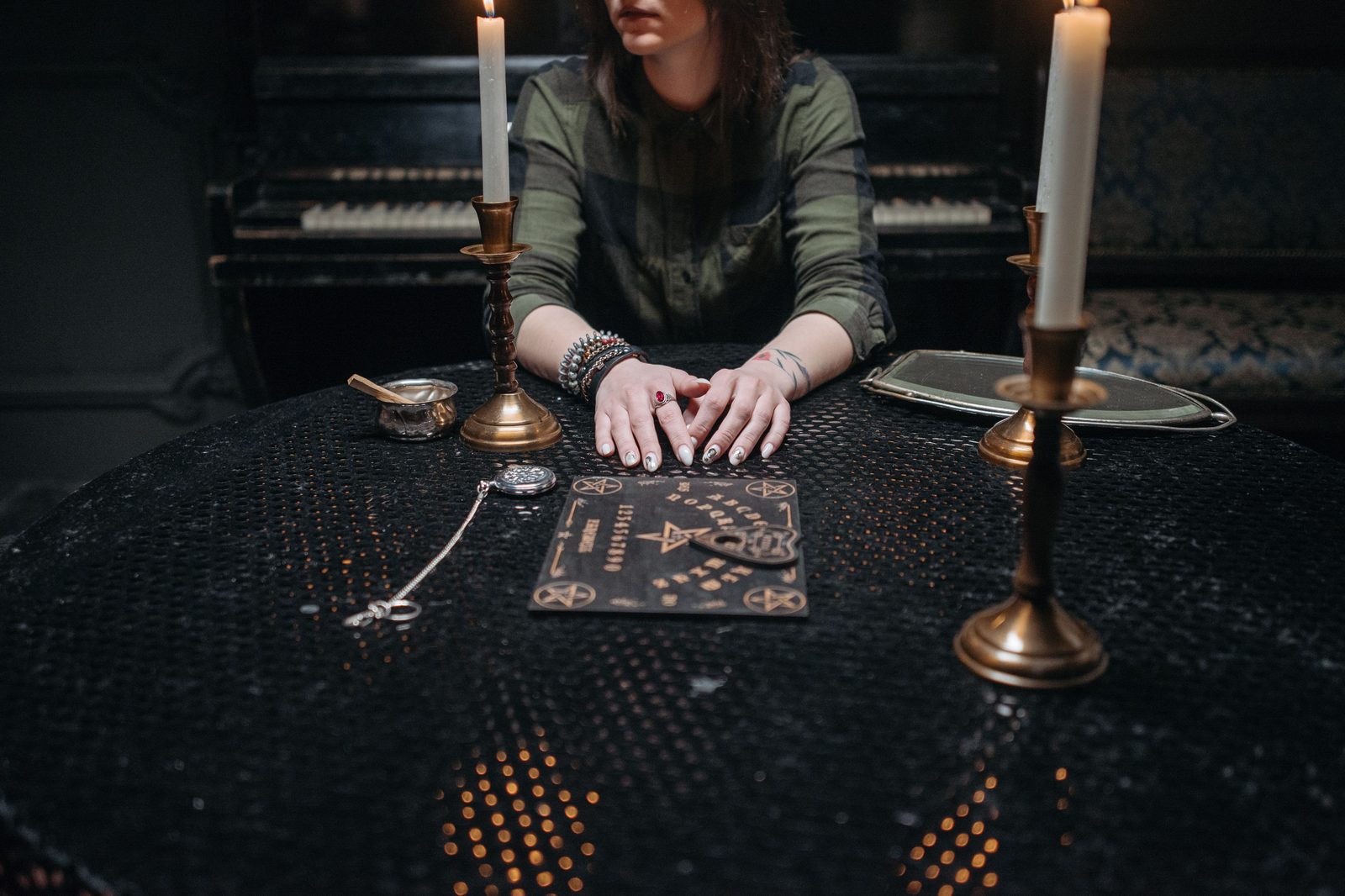
Tarot genuinely has a specific, persistent image problem in mainstream culture — the dramatic fortune-teller, the ominous Death card, a verdict delivered about a relationship's future as if the cards were a courtroom judge. Real, experienced tarot practitioners use the cards very differently in practice, and understanding that genuine difference matters both for practitioners themselves and for anyone dating one, seriously or casually.
What tarot actually is, practiced seriously
A tarot deck is 78 cards, each carrying layered symbolic meaning built up over centuries of interpretation and practice. Serious readers don't generally treat the cards as a literal prediction machine — the common framing among experienced practitioners is that tarot is a tool for reflection and insight, not fortune-telling in the deterministic sense. A card doesn't announce a fixed future; it surfaces a perspective, a question worth sitting with, or a pattern worth noticing that the querent might not have consciously articulated otherwise.
This distinction matters enormously for how tarot functions inside a relationship. A reader isn't handing their partner a verdict about whether the relationship will last. They're offering a structured way to reflect on what's actually happening — communication patterns, unspoken needs, timing, emotional undercurrents — using a symbolic language that, for a practiced reader, often surfaces genuine insight even when neither person fully believes the cards are supernaturally predicting anything at all.
Reading for a partner — and reading with one
Some couples build a real practice around one partner reading for the other regularly — a monthly check-in reading, a reading before a big decision, a reading simply for connection on a quiet evening. Others build something more mutual: both partners learning the cards together, pulling for each other, and discussing the reading as a shared reflective exercise rather than one person delivering insight to the other.
What tends to work best, according to experienced practitioners, is treating a reading as an invitation to conversation rather than a final answer. A card that surfaces a difficult theme — conflict, uncertainty, an ending of some kind — isn't a doom pronouncement; it's an opening to talk honestly about whatever the card brought to mind. Couples who use tarot well treat the deck as a conversation-starter with real symbolic depth, not an oracle handing down verdicts neither partner is allowed to question.
What a non-practicing partner should actually understand
A partner who doesn't read tarot themselves doesn't need to believe in its predictive power to respect the practice — but genuine respect does require understanding a few things. First, a reading that surfaces something uncomfortable isn't the reader "predicting doom" for the relationship; it's more often a reflection tool surfacing something already present beneath the surface. Second, dismissing tarot outright as nonsense, especially in a mocking tone, tends to land as a real dismissal of something meaningful to a partner, even if the skepticism itself is entirely reasonable and fair to hold privately.
The healthiest dynamic, much like with any spiritual practice a partner doesn't personally share, involves genuine curiosity rather than performed belief or open mockery. Asking a practicing partner what a particular card actually means to them, or simply being present during a reading without needing to participate, goes a long way toward making the practice feel respected rather than tolerated.
A good reading asks a better question. It rarely hands over a final answer.
Should you ever ask about the relationship itself?
This is one of the more debated questions even among practitioners. Some readers are comfortable pulling cards specifically about relationship dynamics — communication, timing, what each partner might not be seeing clearly. Others are more cautious, arguing that reading directly about a specific partner's feelings or intentions crosses into territory the cards aren't well suited for, and that a reading is more genuinely useful when it's about your own perspective and reaction rather than an attempt to divine what someone else is secretly thinking or planning.
There's no single right answer here, but the more experienced consensus leans toward caution: tarot is generally most useful and most honest when it's pointed inward, at your own patterns and reactions, rather than used as a tool to try to read a partner's mind or predict their behavior without their knowledge or consent.
Building a shared practice, even from different starting points
Couples where one partner reads and the other doesn't can absolutely build a meaningful shared practice around it — the non-reading partner simply needs genuine openness rather than active participation. Sitting in on a reading, asking real questions afterward, and taking the practice seriously as something meaningful to a partner, even without personally believing in its predictive power, is enough to make tarot a point of connection rather than a quiet source of friction in the relationship.
Common tarot misconceptions worth clearing up
A few misconceptions come up often enough to be worth addressing directly. The Death card doesn't predict literal death — it's almost always read as symbolic transformation, an ending that makes room for something new. The Devil card isn't a warning about literal evil — it more often points to unhealthy attachment, restriction, or patterns worth examining honestly. And a "bad" reading overall doesn't mean a relationship is doomed; it usually means there's something worth paying closer attention to, discussed honestly rather than avoided out of fear of what the cards seemed to suggest.
Understanding these distinctions matters for both practicing and non-practicing partners. A partner who understands that tarot symbolism is nuanced, not literal, is far less likely to panic over a single card pulled during a casual reading — and far more likely to engage with the practice as the thoughtful reflective tool it's actually meant to be.
When tarot becomes a genuine source of connection
The couples who get the most out of tarot as a shared practice tend to treat readings as regular, low-stakes moments of reflection rather than reserving the cards only for major life decisions or moments of crisis. A quick weekly pull discussed over coffee, a card drawn together before a trip, or a simple check-in reading during a stressful week can all become small, meaningful rituals that build real intimacy over time — not because the cards are dictating the relationship's course, but because the practice creates consistent, structured space for honest reflection and conversation that many couples otherwise struggle to make time for.
The honest takeaway
Tarot, practiced seriously and with real discipline, is a genuinely thoughtful tool for honest reflection and open conversation between two people — not the dramatic, ominous fortune-telling ritual popular culture so often reduces it to for entertainment. For a couple where one or both partners genuinely practice, the cards can become a real, ongoing source of connection and honest communication over the years, provided both partners consistently approach the practice with genuine curiosity and real respect rather than either uncritical blind belief or casual dismissive mockery. The right partner genuinely doesn't need to believe in the cards themselves, or even fully understand the symbolism behind them. They just need to take seriously, consistently and without mockery, that the cards mean something real and meaningful to you — and that respecting the practice is really just another way of respecting you.