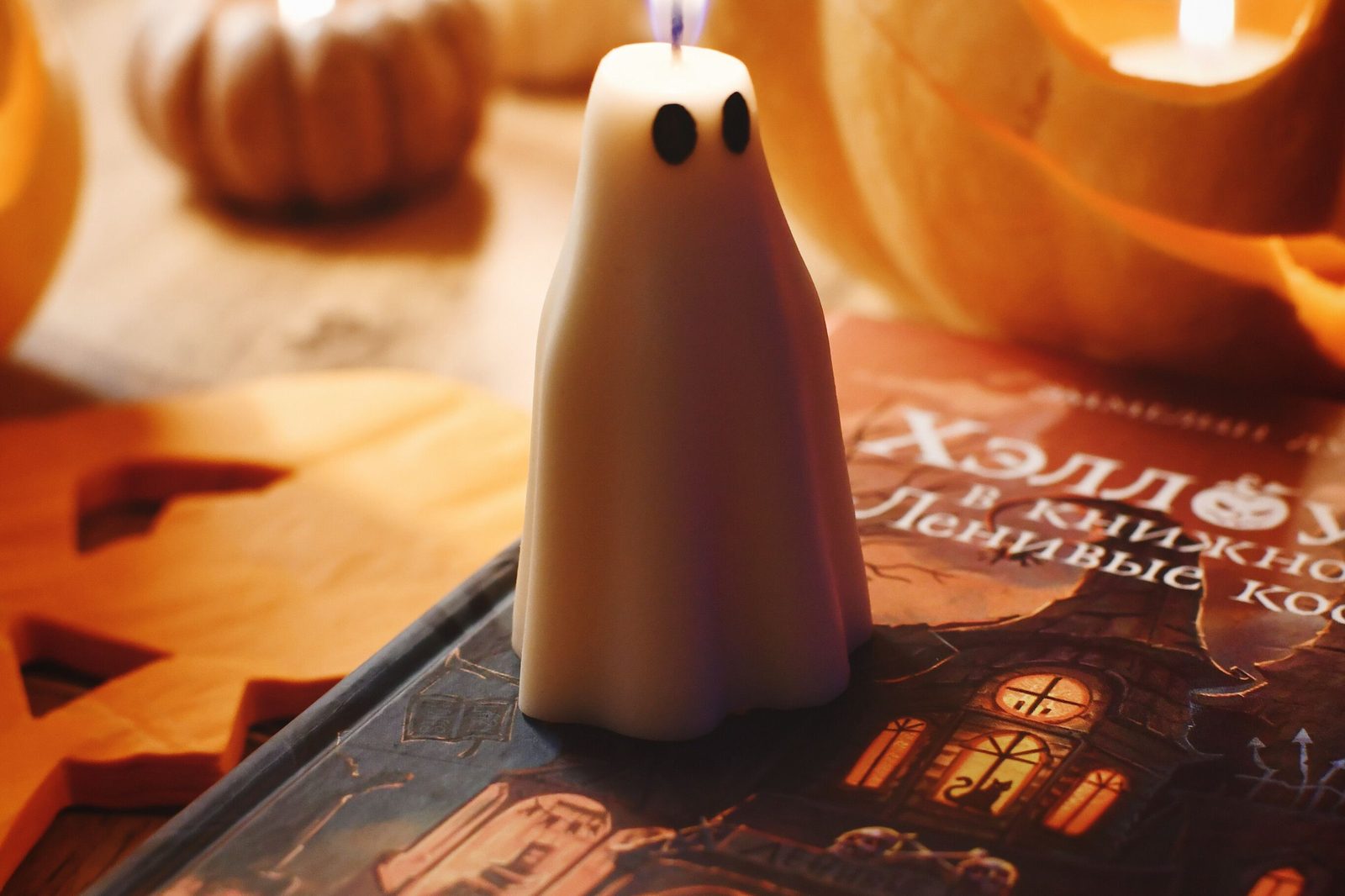
Few countries carry paranormal folklore as close to the surface of everyday culture as Ireland. Banshees, fairy forts, and centuries of oral ghost-story tradition run through Irish culture well beyond any one haunted landmark, and that deep, ordinary familiarity with the supernatural gives Irish paranormal daters a shared cultural fluency that's rare to find elsewhere — the subject rarely needs explaining or defending here the way it might in more skeptical cultures.
Dating culture for Irish believers
Irish conversational culture favors storytelling, and paranormal belief tends to surface naturally through that — a family story about a fairy fort not to be disturbed, a grandmother's account of a banshee's cry before a death in the family, a local pub's reputation for a resident ghost. That storytelling tradition makes paranormal belief feel less like a confession and more like a shared cultural inheritance, which tends to make early conversations on a paranormal dating platform flow more easily here than in cultures where the subject carries more stigma.
With a small, dense population and excellent transport links between Dublin, Cork, Galway, Limerick, and Belfast, Irish paranormal daters generally have an easier time finding a workable local match than believers in larger, more spread-out countries — most of the island is within a few hours' travel of any other part.
Paranormal organizations and communities
PSI Ireland (Paranormal Study & Investigation)
One of Ireland's established investigation organizations, officially associated with several Dublin ghost tour operators.
Irish Paranormal Investigations (IPI)
Founded by a group of friends from Dublin, Wicklow, and Limerick, investigating castles and historic sites nationwide.
Púca Vogue Paranormal Investigations
Focused on Irish castles and historic locations, sharing investigation content and insight with the public.
Haunted Tours NI
Runs ghost tours across Northern Ireland, including Carrickfergus, Larne, Dromore, and Lisburn.
Ghost tours and supernatural hotspots
- Leap Castle, County Offaly — widely dubbed the most haunted castle in Ireland, with a dark history stretching back centuries.
- Loftus Hall, County Wexford — a storied mansion long associated with a supernatural visitor and one of Ireland's most enduring ghost legends.
- Kilmainham Gaol, Dublin — a former prison tied to Ireland's revolutionary history, now a museum with a heavy, well-documented atmosphere.
- The Hellfire Club, Dublin Mountains — a ruined 18th-century hunting lodge near Rathfarnham, wrapped in centuries of dark legend.
- Wicklow Gaol — the subject of decades of paranormal investigation and worldwide interest from investigators.
Dublin's Gravedigger Ghost Bus Tour is a two-hour tour of the city's most haunted sites, including Trinity College and Glasnevin Cemetery, and Hidden Dublin Walks' Haunted History Tour — officially linked to PSI Ireland — is another well-regarded, easy first-date option in the capital.
Regional breakdown
Dublin has the country's densest concentration of ghost tours and investigation groups, anchored by Kilmainham Gaol, the Hellfire Club, and Trinity College's reputed hauntings.
The southeast (Wexford, Wicklow) is home to Loftus Hall and Wicklow Gaol, two of the country's most consistently investigated sites outside the capital.
The midlands hold Leap Castle, Ireland's most infamous haunted building, in County Offaly.
Northern Ireland runs its own active ghost-tour circuit through Haunted Tours NI, alongside Crumlin Road Gaol's paranormal investigation nights in Belfast — worth noting for Irish daters matching across the border, since Northern Ireland's paranormal scene is organized somewhat separately from the Republic's.
Paranormal events
Samhain (Halloween's Celtic origin) gives Ireland a paranormal calendar anchor unlike almost anywhere else — the season is treated as genuinely significant rather than purely commercial, and ghost tour operators across the country expand their schedules accordingly. Crumlin Road Gaol's paranormal investigation nights in Belfast run periodically throughout the year for those wanting a more hands-on experience than a walking tour, and PSI Ireland and IPI both take on new members and occasional public-facing investigations, which can be a good way to move from casual believer to active investigator alongside a match.
Local dating advice
Lean into storytelling rather than a checklist of interests — a specific family ghost story or a favourite haunted site tends to land better as an opener than a generic "I believe in the paranormal." Given the island's small size, don't be afraid to match outside your immediate city; a two-hour drive or train ride to Dublin, Cork, or Belfast is a normal ask here, not a red flag.
If your match is across the border from you — Republic to Northern Ireland or vice versa — treat it the same as any other match a couple of hours away; the shared folklore and small scale of the island mean the culture gap is minor compared to the convenience of the distance.
Meeting up safely
Ticketed sites like Kilmainham Gaol, Wicklow Gaol, and the Gravedigger Ghost Bus are safe, well-run first-date settings. Ruins like the Hellfire Club and privately owned castles are best visited in daylight or as part of an organized tour rather than alone with a new match after dark — many of these sites are unsupervised, uneven ground with no formal safety infrastructure. As always, meet publicly first and let someone know your plans.
Folklore, fairy forts, and everyday belief
What sets Ireland apart from most of the other markets on this list isn't any single haunted landmark — it's how ordinary paranormal belief remains in daily life. Fairy forts (ringforts left largely undisturbed out of respect for tradition, even by farmers who need the land) still dot the countryside by the tens of thousands, and stories of banshees, pookas, and the "good people" are passed down as living family history rather than distant folklore. That everyday familiarity means a paranormal-minded match in Ireland is less likely to be defined by a single dramatic belief and more likely to carry a whole inherited framework for the supernatural — worth asking about directly, since it often reveals more about someone's family and background than a typical dating-app question would.
This cultural depth also means Irish paranormal daters are often unusually well-read on the subject, whether through folklore, local history societies, or the country's strong tradition of oral storytelling passed down through families — a genuinely good foundation for a first conversation that goes well beyond small talk.
A note on Ireland's split traditions
The Republic of Ireland and Northern Ireland share the same deep well of Celtic folklore, but their more recent paranormal cultures have diverged somewhat — the Republic's ghost-tourism industry (Dublin's walking tours, the castles of the midlands and southeast) has grown into a genuinely polished, visitor-facing scene, while Northern Ireland's tradition, shaped in part by its more recent history, tends to be more locally rooted and community-oriented, expressed through groups like Haunted Tours NI rather than large-scale tourism branding. Neither is more "authentic" than the other, but it's worth understanding the distinction before assuming a match from Belfast will relate to Dublin's tourist-facing ghost tour scene the same way a Dubliner would.
Both traditions share the same underlying reverence, though — sites like Crumlin Road Gaol in Belfast and Kilmainham Gaol in Dublin are treated with a genuine seriousness rooted in real, often difficult, national history, not just entertainment value. A match who takes that seriousness for granted, regardless of which side of the border they're from, is usually a good sign of shared values beyond the paranormal interest itself.