
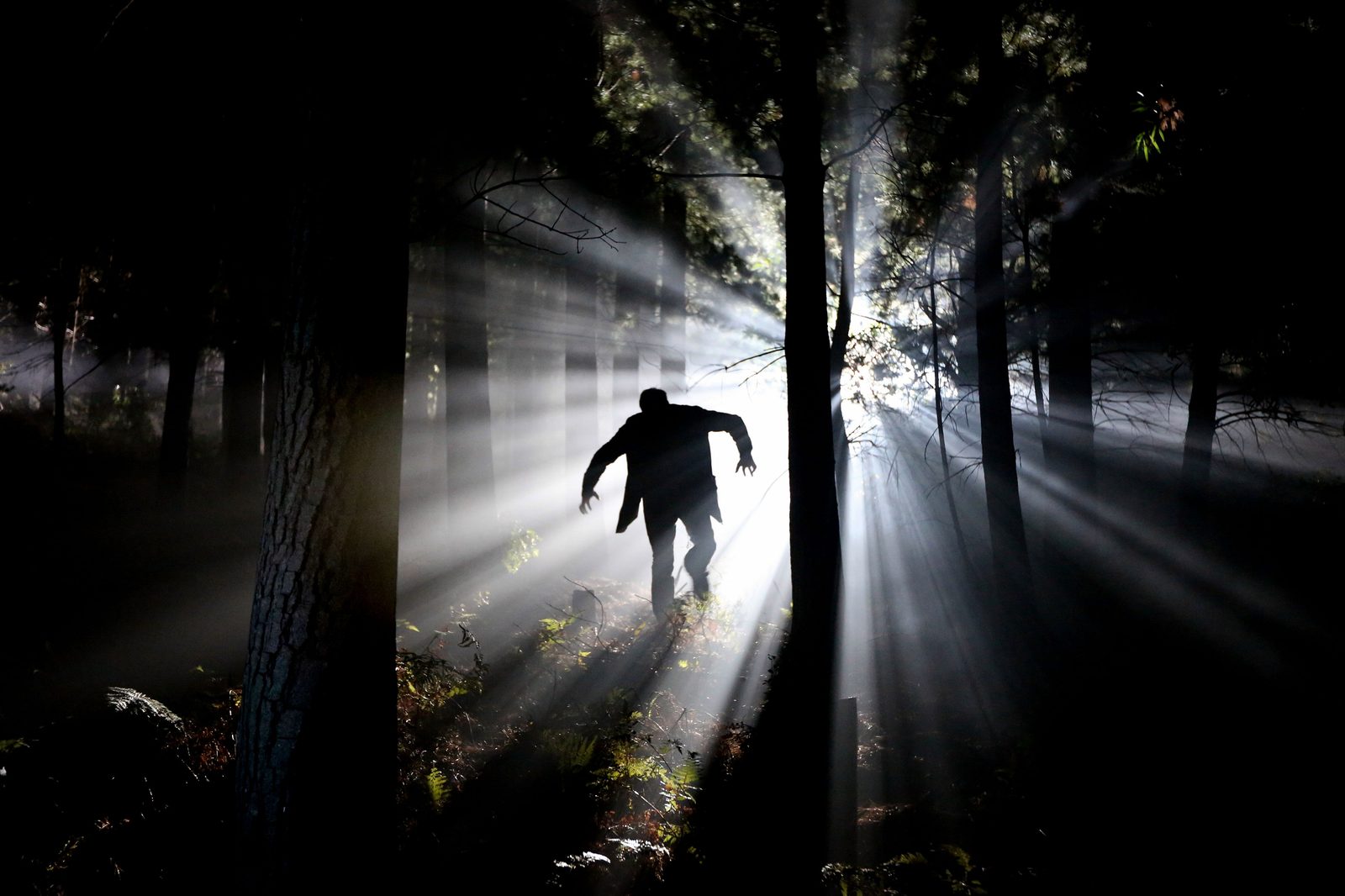
Belfast's paranormal reputation is anchored by Crumlin Road Gaol, in operation from 1846 until 1996 and among the most consistently investigated sites in the entire city, its stories ranging from a young boy still heard crying somewhere within the cell blocks to shadows walking through empty cells and sightings of former prison wardens still seemingly on patrol decades after the gaol's closure. Friar's Bush Graveyard, sitting in the middle of Belfast's University Quarter and used as a burial ground since the 5th century, carries a genuinely somber history centered on a 19th-century mass grave for hundreds of cholera victims — ghostly figures are regularly seen walking through the graveyard, and a tunnel running beneath the site, connecting several university buildings, has left more than one person who's used it describing the unmistakable grip of unseen hands.
Ballygally Castle, just up the coast from the city, carries one of the region's longest-running hauntings, with the ghost of Lady Isobella Shaw, wife of Lord James Shaw, said to have wandered the castle for more than 400 years searching for the infant son who was snatched away from her. The Crown Bar, a beautifully preserved former gin palace in the city center, is home to two resident apparitions — Michael Flanagan, who renovated the building in 1885, and Amelia, a woman said to have died after a mysterious fall down the pub's own staircase.
The Giant's Ring, a pre-Christian religious site in the hills surrounding Belfast believed to date back as far as 2700 BC, carries its own strange, still-unexplained legend — one family in the early 1990s reported a deep, impenetrable mist suddenly engulfing the area, and no matter which direction they tried to walk, they kept arriving back at the site's central standing stone. Clifton House, originally built as a poorhouse in 1774, rounds out Belfast's most cited hauntings with reports of former inmates' shadows in its empty corridors and a ghostly child said to tug at the clothing of unsuspecting visitors, giving Belfast's paranormal daters a genuinely rich, historically layered scene to explore together.
Dating culture for Belfast believers
Belfast's paranormal culture tends to be shaped by the city's deep industrial and institutional history — even its gentlest hauntings, like the Crown Bar's Amelia, carry a distinctly working-history, Victorian-era thread.
A Crumlin Road Gaol tour gives paranormal daters here a genuinely immersive first-date option, letting a couple tour the former prison's cell blocks and discuss its layered history together in a single visit.
The Crown Bar offers a more relaxed evening, letting a couple discuss Michael Flanagan and Amelia's stories over a proper drink in the beautifully preserved gin palace.
A Friar's Bush Graveyard walk gives paranormal daters a genuinely reflective, historically weighted date, pairing the site's cholera-era history with its long-reported hauntings.
Belfast's mix of institutional, hospitality, and prehistoric hauntings gives paranormal daters here a genuinely broad range of settings to explore together across the city.
Given how much of Belfast's identity is shaped by its industrial and shipbuilding past, plenty of local daters treat a Crumlin Road Gaol tour as a way of connecting directly with that shared working history, discussing the gaol's story as naturally as they would any other point of civic heritage.
Paranormal organizations and communities
Crumlin Road Gaol heritage staff
Preserve the former prison and run formal paranormal investigation packages for visitors.
Friar's Bush Graveyard heritage groups
Maintain the ancient burial ground and document its long-reported cholera-era hauntings.
The Crown Bar staff
Share Michael Flanagan and Amelia's stories with patrons curious about the pub's long history.
Clifton House heritage staff
Interpret the former poorhouse's history and its long-reported unexplained activity for visitors.
Ghost tours and supernatural hotspots
- Crumlin Road Gaol — a former prison in operation for 150 years, one of the city's most investigated sites.
- Friar's Bush Graveyard — a burial ground dating to the 5th century, tied to a 19th-century cholera mass grave.
- Ballygally Castle — haunted by Lady Isobella Shaw for more than 400 years.
- The Crown Bar — a preserved gin palace haunted by Michael Flanagan and Amelia.
- The Giant's Ring — a pre-Christian site dating to roughly 2700 BC, tied to a still-unexplained mist legend.
- Clifton House — a former 1774 poorhouse haunted by former inmates and a ghostly child.
A Crumlin Road Gaol tour remains Belfast's most iconic first date, its 150 years of documented history giving new couples plenty to discuss together.
For couples wanting something more relaxed, a Crown Bar evening pairs a proper drink with one of the city's best-preserved hauntings.
Paranormal events
Halloween draws Belfast's heaviest concentration of paranormal-themed events, with Crumlin Road Gaol and local operators expanding their nightly schedules across the city center.
Crumlin Road Gaol also runs dedicated formal investigation packages throughout the year, drawing dedicated paranormal enthusiasts regardless of season.
Regional breakdown
North Belfast holds Crumlin Road Gaol and Clifton House, giving this district a genuinely dense concentration of institutional hauntings within a short distance.
The University Quarter carries Friar's Bush Graveyard's cholera-era history, a short walk from the city center's other landmarks.
City center maintains the Crown Bar's preserved Victorian haunting, distinct from North Belfast's more institutional hauntings.
The wider outskirts add the Giant's Ring's prehistoric mystery and Ballygally Castle's centuries-long legend up the coast, popular with daters interested in a broader Northern Ireland scene.
What makes Belfast's scene distinct
Few UK cities lean this heavily on prison and institutional history for their paranormal identity, giving Belfast's scene a genuinely distinct, industrial-era character.
The Giant's Ring's prehistoric origins also give the city's paranormal culture a genuinely ancient, still-unexplained weight uncommon elsewhere in the UK.
Friar's Bush Graveyard's cholera-era mass grave gives daters here a genuinely more solemn option compared to the city's livelier pub-based hauntings.
Belfast's mix of institutional, hospitality, and prehistoric hauntings also gives its paranormal daters a genuinely broad range of settings to explore together.
Local dating advice
A Crumlin Road Gaol tour is a reliable, atmospheric first date, its documented history giving couples plenty to discuss together. Mentioning the Crown Bar's Amelia or the Giant's Ring's mist legend by name signals genuine familiarity with Belfast's local paranormal culture rather than a passing interest.
For a couple ready for something more adventurous, a Friar's Bush Graveyard evening walk makes a genuinely memorable second date.
Meeting up safely
Crumlin Road Gaol's guided tours and the Crown Bar's public seating are safe, well-supervised settings for meeting someone in person for the first time. As always, let a friend know your plans, particularly for evening visits to Friar's Bush Graveyard or less familiar neighborhoods.
Why a dedicated platform helps here
Belfast's paranormal believers are spread across a genuinely wide metro area, from the dense city center to North Belfast, the University Quarter, and the surrounding suburbs. A paranormal-focused platform helps connect daters across that range, rather than leaving someone outside the city center with no realistic way to find a match who shares their specific interest.
It's also useful for narrowing down interest by type — some Belfast daters gravitate toward Crumlin Road Gaol's institutional hauntings, while others prefer the Crown Bar's more relaxed hospitality-era ghost story, and a dedicated platform can help surface that meaningful distinction from the start.
Given how Belfast's history has shaped distinct neighborhoods across the city, a platform that lets daters filter by interest saves considerable time compared to relying on chance encounters at any single landmark.