
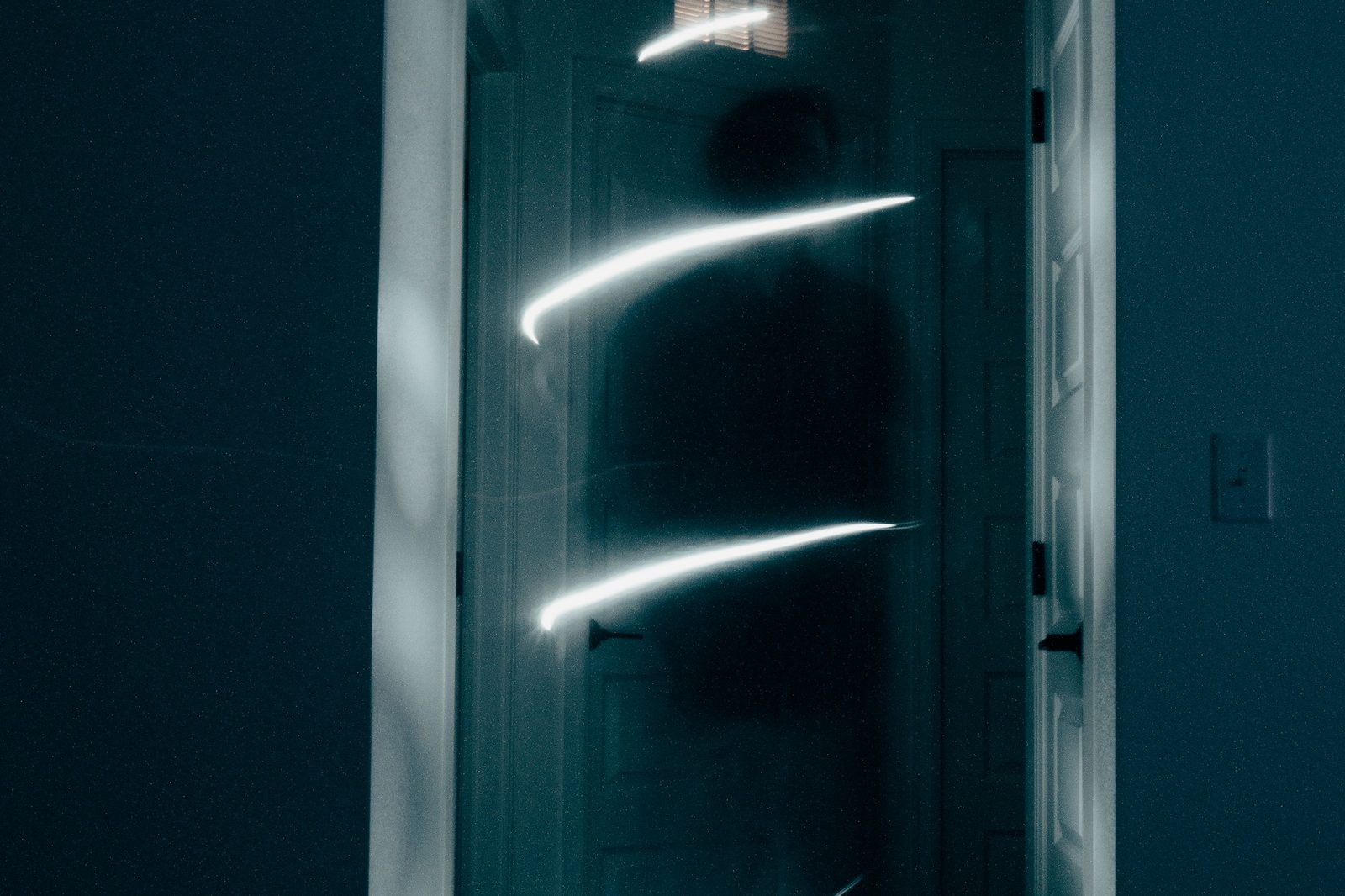
Most people who've genuinely had a real unexplained experience — a presence felt in an old house, a dream that came true in unsettling detail, a moment of clear intuition that defied explanation — have a story about the first time they told someone and immediately regretted it. A dismissive laugh, a "you were probably just tired," a subject change that made clear the listener wasn't taking it seriously. Learning to genuinely talk about these experiences well, on both sides of the conversation, matters enormously for how safe, respected, and truly understood a relationship actually ends up feeling over time.
Why the first telling matters so much
The first time someone shares a genuinely significant unexplained experience with a partner tends to be a real test of trust, whether either person consciously frames it that way or not. It's rarely just about the specific experience itself — it's about whether the listener's reaction communicates "I take you seriously" or "I'm humoring you." A partner's response to that first telling often sets the tone for how open the sharer will be about everything spiritual or paranormal going forward, so it's worth taking that moment seriously even if the listener holds real private doubts about what actually happened.
How to actually share your own experience well
For the person sharing, a few things tend to make the conversation go better. Being specific rather than vague helps a listener actually engage — concrete detail about what was seen, heard, or felt gives a partner something real to respond to, rather than a general statement that's hard to discuss meaningfully. Being honest about your own uncertainty, where it exists, also helps — most people who've had a genuine unexplained experience have some doubt mixed with their conviction, and admitting that nuance tends to make the story feel more credible and more human, not less compelling.
It's also worth being clear about what you actually need from the conversation. Sometimes the goal is simply to be heard, not to convince the listener of anything. Naming that directly — "I'm not trying to convince you this was definitely a ghost, I just want to be able to tell you about it" — takes real pressure off both people and tends to lead to a much better conversation than either person walking in with unstated, mismatched expectations.
How to actually listen well, especially as a skeptic
For the listener, the single most important thing is genuine, undivided attention before any response, skeptical or otherwise. Interrupting with an alternative explanation before someone has finished sharing tends to feel dismissive even when the explanation itself is offered gently and in good faith. Letting the person finish, asking real follow-up questions, and reflecting back what you heard — "that sounds like it was genuinely unsettling" — before offering any personal perspective on what might have happened communicates real respect regardless of what you ultimately believe about the cause.
It's also worth resisting the urge to immediately problem-solve or explain. Most people sharing a meaningful unexplained experience aren't looking for a mundane explanation offered as a fix — they're looking to be heard and taken seriously as the person who actually lived through it.
How you respond to someone's story matters more than what you privately believe about it.
Navigating experiences that genuinely unsettle a partner
Some paranormal experiences carry real emotional weight — grief-related encounters, frightening experiences, or something that's genuinely shaken a partner's sense of safety in their own home. These conversations deserve extra care regardless of either partner's underlying belief. Validating the emotional impact of the experience — "that sounds genuinely frightening" — doesn't require agreeing on the cause, and separating those two things clearly tends to make a partner feel supported rather than needing to defend the reality of what happened before their feelings can even be acknowledged.
Revisiting old experiences as a relationship deepens
Many people carry significant unexplained experiences from years or even decades earlier that they've rarely discussed in detail with anyone. As a relationship deepens and trust builds, these older stories often surface — sometimes years into dating, once a partner has proven, repeatedly, that they can be trusted with something this personal. Treating a late-surfacing story with the same care and attention as a fresh one, rather than wondering why it wasn't mentioned sooner, respects both the story and the real trust it took to finally share it.
What to do when a partner's reaction genuinely disappoints you
Even in a caring relationship, a first reaction sometimes falls short — a partner laughs before catching themselves, or offers an explanation too quickly out of their own discomfort rather than genuine dismissiveness. It's worth distinguishing a single imperfect reaction from a real, consistent pattern of disrespect. A partner who catches themselves, apologizes genuinely, and does better the next time is showing exactly the kind of growth a healthy relationship needs. A partner who repeats the same dismissive pattern every time, despite being told directly how it lands, is showing something different and worth taking seriously as a real, ongoing problem rather than a one-off mistake.
It's fair, and often necessary, to name the disappointment directly and specifically rather than letting it go unaddressed — "when you laughed just now, it made me not want to tell you about this kind of thing again" is a clear, honest, non-accusatory way to communicate the real impact without demanding agreement about the underlying experience itself.
Sharing experiences with a partner from a different tradition or belief
Couples where each partner comes from a different specific paranormal or spiritual tradition — one an investigator, one a tarot reader, one an astrologer — sometimes assume shared general belief in the unexplained automatically means fluency in each other's specific framework. It doesn't, and that's genuinely fine. A partner unfamiliar with the specific vocabulary or framework of your particular practice can still listen well and respond with real respect, provided they ask genuine clarifying questions rather than assuming understanding they don't actually have, and provided the sharer stays patient with explaining unfamiliar terms or concepts along the way.
Building a household language for talking about the unexplained
Over time, couples who communicate well about this topic tend to develop their own shared shorthand — specific phrases, a particular tone, an agreed-upon way of checking in after something strange happens at home. This shared language, built gradually through repeated honest conversation, becomes one of the quieter but more meaningful markers of a relationship's depth: a private way of acknowledging the unexplained together that took real time, real vulnerability, and real trust to build.
The honest takeaway
Talking about paranormal and unexplained experiences well isn't really about reaching agreement on what actually happened. It's about creating real space for a partner to be honest about something that's often deeply meaningful to them, and responding with genuine attention and respect regardless of your own belief. Couples who genuinely build this skill together — sharing specifically and honestly, listening without immediately rushing to explain away — tend to build a much deeper, more resilient kind of trust over the years than couples who simply avoid the subject entirely just to keep an uneasy peace between them.